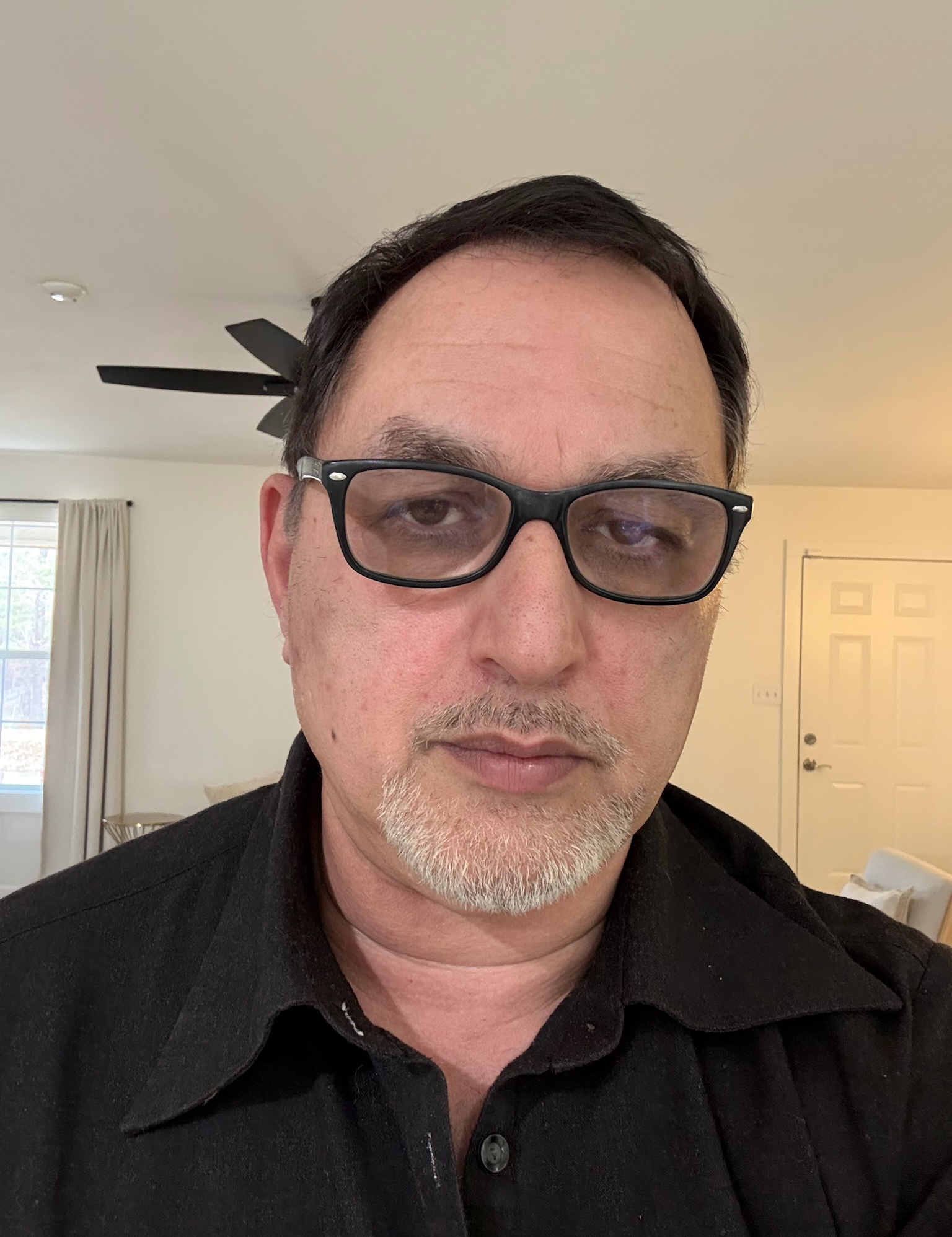
Nasir Zareen, M.D.
EmergencyBiography
Facility/Office:
Bradley County Medical Center Emergency Department
Education:
University of Peshawar, Khyber Medical College (Pakistan)
Residency:
Family Medicine, UAMS Pine Bluff
Certification:
American Board of Family Medicine, the American Academy of Family Physicians, and the American Medical Association
Biography:
Dr. Nasir Zareen brings several years of experience to Bradley County Medical Center. He earned his Bachelor of Medicine and Bachelor of Surgery from the University of Peshawar, Khyber Medical College in Pakistan. Dr. Zareen completed an Externship in Radiology at Stanford University and his Family Medicine residency at UAMS Pine Bluff in 2010. He has since worked in emergency rooms across Arkansas and is now providing care at BCMC for the third time. Dr. Zareen is a member of the American Board of Family Medicine, the American Academy of Family Physicians, and the American Medical Association. He has received awards for best public health essay writing and the 'Most Helpful Physician Award' at Peshawar. Dr. Zareen is passionate about medicine, finding fulfillment in providing excellent care that helps patients recover and survive. When you ask Dr. Zareen what his hobbies are, his answer, "My hobby is working in the ER."