

Quick Links - The DAISY Award
- Employee of the Month
- Patient Portal
- Contact Us
- Financial Assistance
- Thrift Shop
- Patient Payment Center for Older Bills in CPSI
- Employee Login

BCMC News

BCMC Recognized for Advancing Rural Stroke Care
People who live in rural communities live an average of three years fewer than urban counterparts and have a 40% higher likelihood of developing heart disease and face a 30% increased risk for stroke mortality, according to an American Heart Association’s presidential advisory on rural health. Bradley County Medical Center is committed to changing that.
For its efforts to optimize stroke care and reduce gaps in rural health outcomes, BCMC has received the American Heart Association’s Get With The Guidelines® - Stroke Rural Recognition Bronze award.
Stroke is the No. 4 cause of death and a leading cause of disability in the U.S, according to the American Heart Association’s 2026 Heart Disease and Stroke Statistics Report. A stroke occurs when a blood vessel supplying the brain is blocked by a clot or ruptures, preventing blood and oxygen from reaching brain tissue. When this happens, brain cells begin to die. Early detection and rapid treatment are critical to improving survival, minimizing disability and supporting faster recovery.
Follow @BCMCWarren
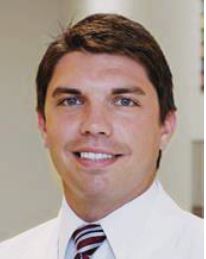 |
Bradley Biggers, M.D.
Family Practice / Hospitalist
Biography
Contact Info:
Office:
870-226-8636Facility/Office:
Bradley County Medical Center HospitalistBCMC Rural Health Clinic
Education:
Texas A&M Family Medicine ResidencyUniversity of Arkansas for Medical Sciences
Lyon College
Residency:
Texas A&M Family Medicine ResidencyCertification:
ATLA, ACLS, PALS, NRP, ALSOBiography:
Dr. Biggers grew up in Hampton, Ark. He credits his parents who have always worked hard to teach him the value of hard work, service, and humility. His training stops included college at Lyon College in Batesville, Ark., medical school at UAMS, and residency at Texas A&M in Bryan, Texas. He entered the medical field to make a difference in underserved areas like Bradley County. Most of his spare time is spent with his wonderful wife, Jordan, and two boys, Beau and Bennett. He is excited to continue serving and providing care to our community. In March of 2026 Dr. Biggers transitioned to full-time Hospitalist and is back to seeing family practice patients at the BCMC Rural Health Clinic.BCMC News
BCMC Recognized for Advancing Rural Stroke Care
People who live in rural communities live an average of three years fewer than urban counterparts and have a 40% higher likelihood of developing heart disease and face a 30% increased risk for stroke mortality, according to an American Heart Association’s presidential advisory on rural health. Bradley County Medical Center is committed to changing that.
For its efforts to optimize stroke care and reduce gaps in rural health outcomes, BCMC has received the American Heart Association’s Get With The Guidelines® - Stroke Rural Recognition Bronze award.
Stroke is the No. 4 cause of death and a leading cause of disability in the U.S, according to the American Heart Association’s 2026 Heart Disease and Stroke Statistics Report. A stroke occurs when a blood vessel supplying the brain is blocked by a clot or ruptures, preventing blood and oxygen from reaching brain tissue. When this happens, brain cells begin to die. Early detection and rapid treatment are critical to improving survival, minimizing disability and supporting faster recovery.
Follow @BCMCWarren